Modestyle: A Script Font for Editorial Design
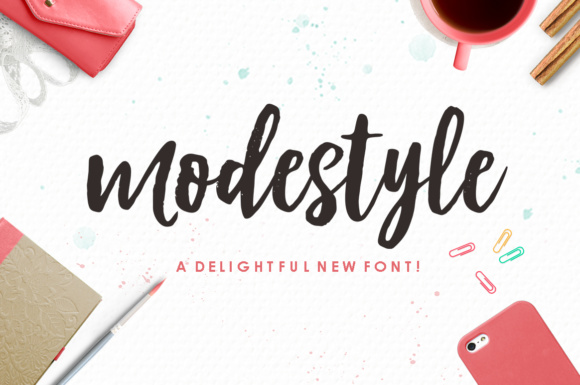
Modestyle is a handcrafted script font that brings a sense of movement and elegance to any design project. With its flowing, irregular lines and graceful curves, it captures the essence of handwritten lettering, making it an ideal choice for editorial work that demands both style and readability.
The Visual Personality of Modestyle
As a script font, Modestyle stands out for its organic feel and natural flow. Its irregularity adds character, while its fluidity ensures it remains legible even in larger sizes. The font’s personality is warm and inviting, making it perfect for content that aims to engage readers on an emotional level. Whether used in headings or pull quotes, Modestyle adds a touch of sophistication that elevates the overall design.
Using Modestyle in Editorial Layouts
Modestyle is versatile enough to support a wide range of editorial applications. From blog headers to magazine covers, this font can be used to create visual interest without overwhelming the reader. It works particularly well in headlines and subheadings, where its elegant curves draw the eye and set the tone for the content that follows.
In newsletter graphics, Modestyle can serve as a focal point, adding a stylish element to callout boxes or quote sections. For ebook titles, the font’s hand-lettered look enhances the premium feel of the publication, making it more appealing to readers looking for quality content. Similarly, in printable guides and worksheets, Modestyle helps maintain a cohesive brand identity while keeping the text approachable and easy to read.
Enhancing Readability and Brand Identity
While Modestyle excels in decorative uses, it’s also important to consider how it supports readability in different contexts. When used in body copy, it’s best paired with a clean sans serif or serif font to ensure clarity. This balance between display and readability makes it a great asset for publications that require both visual appeal and functional typography.
For digital content, Modestyle performs well in screen reading environments when used sparingly. Its irregular shapes may not always render perfectly on small screens, so it’s recommended to use it primarily for titles, section headings, and accent elements rather than large blocks of text. In print, however, its intricate details shine, making it ideal for brochures, magazines, and branded materials.
Font Pairing and Design Flexibility
When pairing Modestyle with other fonts, the key is to maintain contrast and balance. A modern sans serif like Helvetica Neue or a classic serif such as Georgia can complement Modestyle beautifully, creating a harmonious design that feels both professional and artistic.
Modestyle also lends itself well to creative font pairings in social media graphics and web design. Its unique style can add a distinctive flair to logo designs, packaging, and branding assets, helping to establish a strong visual identity for content creators and publishers.
Practical Applications Across Content Types
Consider using Modestyle for a lifestyle blog where the font’s elegance matches the content’s tone. In a recipe ebook, it can be used for title pages and chapter openers, giving the book a refined and personal touch. For a wedding guide, Modestyle can enhance cover text and pull quotes, reinforcing the theme of love and celebration.
Coaching workbooks and printable planners can benefit from Modestyle’s handcrafted look, especially in headings and motivational phrases. Digital magazines and newsletters can incorporate the font into their visual hierarchy, using it to highlight key messages and create a memorable brand presence.
Commercial Licensing and Design Assets
As a commercial font, Modestyle offers flexibility for content creators who need to use it across multiple platforms. Whether you're designing ebooks, templates, or paid newsletters, the font’s licensing allows for seamless integration into your workflow. It’s also suitable for client publications and digital downloads, ensuring that your design assets remain consistent and professional.
Before finalizing your design, be sure to check the included styles, alternates, ligatures, weights, and multilingual support. These features can enhance the font’s versatility and make it easier to adapt to different projects and audiences.
Conclusion
Modestyle is more than just a beautiful font—it’s a powerful tool for editorial design. Its combination of elegance and readability makes it suitable for a wide range of applications, from blog headers to printable guides. By understanding how to use Modestyle effectively, designers and content creators can elevate their work, create engaging layouts, and build a strong brand identity that resonates with readers.